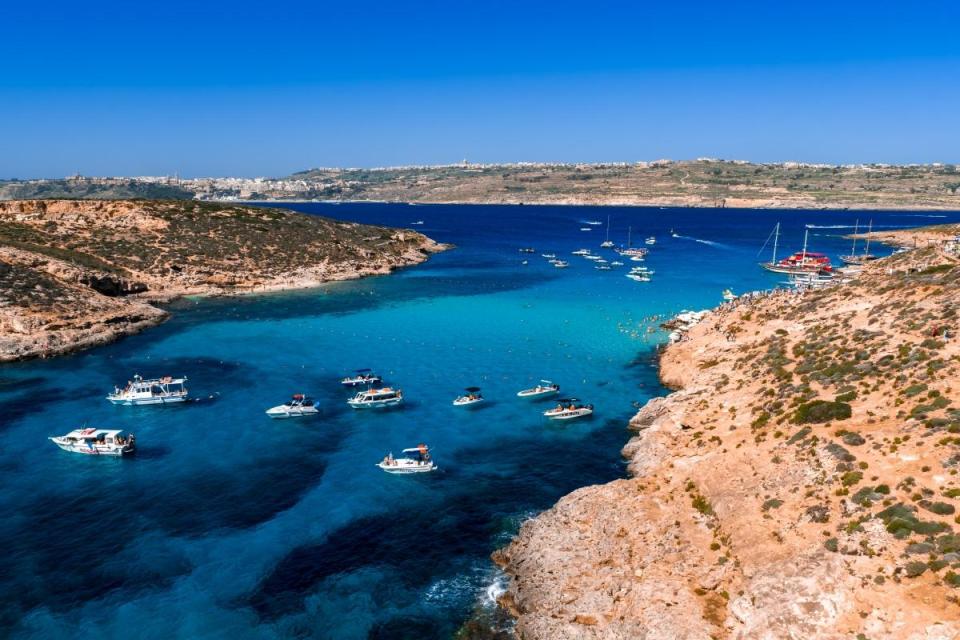
Gozo and Comino accounted for 4.3% of the national Gross Domestic Product (GDP) last year, underlining the growing economic relevance of Malta’s sister islands within the broader national economy. The figures highlight the continued structural development of Gozo and Comino, supported by diversified economic activity and rising employment levels across the country.
Economic output from Gozo and Comino has traditionally been driven by tourism, public administration, and small-to-medium enterprises. In recent years, however, the contribution of these islands has expanded beyond seasonal tourism, reflecting increased activity in sectors such as digital services, healthcare, education, construction, and niche manufacturing. This gradual diversification has helped strengthen economic resilience and reduce dependence on a single industry.
Tourism remains a key pillar of the Gozitan economy, with both domestic and international visitors contributing significantly to hospitality, transport, retail, and cultural services. At the same time, policy initiatives encouraging remote work and business relocation have attracted professionals and entrepreneurs seeking a higher quality of life, further stimulating local consumption and investment.
Alongside the positive GDP contribution from Gozo and Comino, employment increased across all industries nationwide, signalling broad-based economic growth. Gains were recorded in both private and public sectors, indicating strong labour market demand and sustained business confidence. Sectors such as professional services, construction, tourism, healthcare, and information technology continued to absorb new workers, reflecting Malta’s evolving economic structure.
The rise in employment also points to successful labour market participation measures, workforce upskilling, and increased investment activity. Businesses across industries have continued to expand operations, while public and private investment projects have supported job creation throughout the country, including in smaller regions.
Gozo, in particular, has benefited from targeted regional development strategies aimed at enhancing connectivity, improving infrastructure, and supporting sustainable growth. Investments in transport links, digital infrastructure, and community services have played a crucial role in making the island more attractive for both residents and investors, while preserving its unique character.
The economic performance of Gozo and Comino demonstrates how regional economies can contribute meaningfully to national growth when supported by long-term planning and inclusive policies. As employment continues to rise across all industries, the outlook remains positive for balanced economic development, with smaller regions increasingly integrated into Malta’s overall growth trajectory.
Looking ahead, continued investment, skills development, and sectoral diversification are expected to further strengthen the contribution of Gozo and Comino, ensuring that economic growth is both geographically balanced and sustainable.